
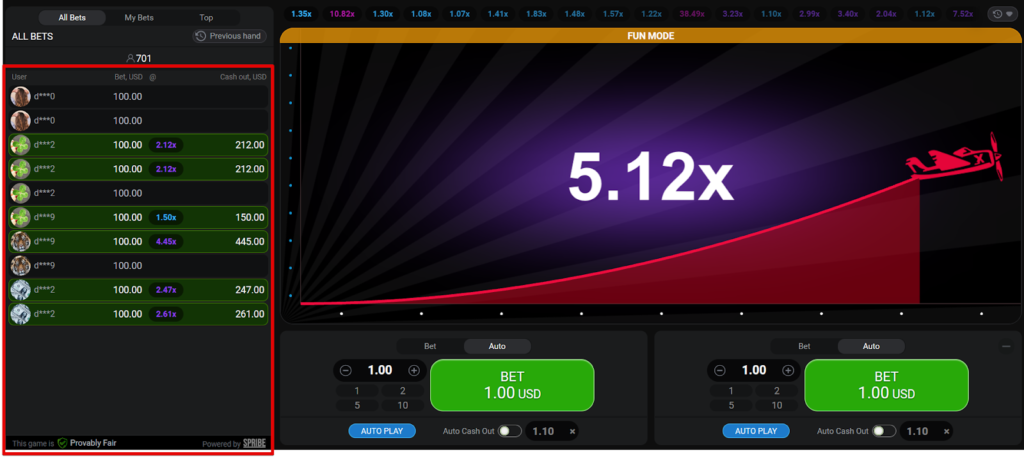
If you consider online gaming in the UK, one game stands out not just for its appeal, but for the smart tech that makes it tick. The Aviator game signals a real step forward. It sheds the old mystery of random number generators for a system based on provable fairness and live data. For players here, grasping this tech is the best way to appreciate why the game is both just and so compelling. The basic idea is straightforward: watch a multiplier climb as a plane flies, then decide when to collect your winnings. But the machinery that makes this clear, secure, and smooth is anything but ordinary. Let’s break down the nine key pieces of technology that make Aviator work. We’ll examine how each one fits together to create a honest, engaging, and reliable game that meets the high standards of the UK market, where players expect both strict regulation and digital polish.
1. The Core Engine: Transparent Systems and RNG
It all starts with the verifiably fair algorithm https://flytakeair.com/aviator/. This system transforms how players can believe in a game. In a standard casino game, you simply have to trust the Random Number Generator (RNG) is fair. Here, you can verify the proof for yourself, for every single single round. How does it function? Before a round begins, the server creates two elements: a hidden server seed and a client seed. It then publishes a cryptographic hash of the server seed—this is its open commitment. The exact point where the plane crashes (the multiplier stops) is determined by a formula that blends these two seeds. Once the round ends, the server shows its original secret seed. Players, especially clued-up UK users who appreciate transparency, can use these seeds and input them into a validator. This tool confirms the crash point was fixed before the round began, not changed after bets were made. This cryptographic audit trail addresses the typical “black box” worry head-on. Behind this, the system often uses a Mersenne Twister or a cryptographically secure RNG for the starting number generation, adding a strong layer of randomness before the provable fair protocol even starts.
2. Real-Time Data Processing and Instant Factor Tracking
The thrilling ascent of the odds is a marvel of instant data analytics. The system computes an exponential rise, adjusting the odds thousands of times every second to create that continuous climb. Each live session gets its own unique game process. This server processes a constant flood of data: each player’s starting wager, the live odds, and withdrawal requests with millisecond precision. For UK participants, this work runs on low-latency infrastructure, often in server farms within the UK or EU. The technology behind it, perhaps using Node.js or Go for concurrent processing, executes the multitasking smoothly. A delay of just 50 milliseconds in processing a cash-out could cause monetary loss to a user, so reliability is everything. This engine also has to broadcast the exact same game state to every connected player at the same moment. Everyone sees the multiplier move in unison, which is vital for the collective atmosphere and total integrity of a game where timing determines success.
3. Encryption Protection for Financial Transactions
User confidence is built on monetary security. For the UK market, Aviator uses a multi-layered cryptographic defence. All data transmitted between your device and the gaming servers is secured in TLS 1.3 encryption. This is the same standard used by high-street banks, encrypting every segment of traffic to stop eavesdroppers or intercept attacks. At the app level, confidential details like financial information are tokenized. Your actual card number is swapped for a distinct, haphazard token that’s worthless if breached. The game integrates with payment gateways that meet the Payment Card Industry Data Security Standard (PCI DSS), meaning the operator itself doesn’t store raw monetary data. For UK players, this protection envelope surrounds common payment methods like Faster Payments, PayPal, or Visa Direct. The system is also periodically tested by third-party security auditors who try to penetrate, fortifying it against novel threats and building an setting as safe as any leading online store.
4. Platform Versatility and Adaptive Layout
The UK users competes on all sorts of platforms, so Aviator’s tech stack is constructed for universal access. The game is built with HTML5, CSS3, and JavaScript. This means it works straight in any up-to-date web browser, from Chrome on a PC to Safari on an iPhone, with no need for further plugins. Frameworks like React or Vue.js can manage the responsive interface, using a component-based structure that adjusts itself seamlessly from a spacious desktop screen down to a portable smartphone display. It’s not just just shrinking the image. Buttons are crafted bigger for thumbs, heavy graphics are swapped for lighter versions on mobile, and the layout always positions the multiplier and the cash-out button in the spotlight. The same strong backend delivers the game logic to every device, assuring consistency. So, a commuter in London can make a bet on their phone using 5G, and a student in Edinburgh can cash out on their laptop over Wi-Fi. Both get the same gameplay, security, and speed, which is crucial in a nation where mobile internet use is so high.
5. Fast-Response System Infrastructure and Content Distribution Network Usage
That split-second decision to cash out depends on a network engineered for speed. For players in the UK, this involves a smart configuration of servers and Content Delivery Networks. Static parts of the game—the code, images, and sound files—are stored on CDN edge servers located within the UK, in places like London, Manchester, or Edinburgh. These elements load almost instantly from a nearby source. The live, dynamic game data is managed by specialised gaming servers, which are also ideally placed in UK data centres to shorten the physical distance data must travel. These servers use high-speed networking protocols and connect to multiple internet backbones for backup. The system continuously checks ping times and can reroute traffic if it identifies a lag spike. This careful design makes certain that when a player in Birmingham clicks “Withdraw,” the signal travels via the fastest, fastest route and is processed in just a few milliseconds. The competition remains where it belongs: a test of nerve and judgement, not your internet connection.
6. UI (UI) and Experience (UX) Design Approach
Aviator’s clear, captivating layout stems from specific selections in front-end tech. The main graph and plane animation are most likely rendered with the HTML5 Canvas API or WebGL. These methods create the fluid, high-frame-rate graphics required for the real-time multiplier. The UI is built for clearness when the pressure is on. It utilizes colour purposefully: red warns of danger or a crash, green confirms a successful cash-out. Important details, like the current multiplier and your potential win, shows up in large, bold text. The user experience is engineered to eliminate friction. A “Quick Bet” button could apply your saved preferences to set a bet with one tap. The cash-out button is given the most visible spot on the screen. For someone in the UK, this renders the interface feel intuitive from the first click, reducing the learning curve and enabling them concentrate on their strategy. Small affirmations, like a subtle sound or vibration when you cash out, offer rewarding feedback for every action.
7th Backend Design Supporting Multiple Users
The system needs to accommodate tens of thousands of UK players simultaneously, especially during busy periods or large football matches. To handle this volume, the structure is usually based on microservices. Individual services manage matchmaking, the game engine, wallet transactions, chat, and promotions. This allows each service expand or scale down autonomously using cloud tools like Kubernetes. If chat experiences high load, solely the chat containers expand. A message broker, such as RabbitMQ or Kafka, manages communication among these services, guaranteeing that events such as a cash-out get processed dependably. For data, the system often integrates SQL databases for transaction-based jobs (including recording a final bet) with quick NoSQL solutions like Redis for storing live game states and player sessions. Load balancers spread incoming connections uniformly across server clusters to avoid any single point of failure. This flexible, scattered setup guarantees that regardless of 500 or 50,000 people are playing, each one receives the same reactive, stable game with no lag or breakdowns at the crucial moment.
Eight. Linking with Legal and Regulatory Frameworks (UKGC)
To operate legally in the UK, the game’s technology must be woven into the regulations set by the UK Gambling Commission (UKGC). This embedding is deep, going far beyond a straightforward age check. It encompasses live data sharing with identity verification services like LexisNexis or Experian to verify a player’s age and location at the point they deposit money. The system’s architecture has to accommodate several core capabilities.
- It routinely activates player-set limits on deposits, losses, and wagers across all games. The wallet service enforces these as hard stops.
- Its algorithms monitor play patterns in real time to detect signs of harmful behaviour, like attempting to recover losses rapidly or playing very often. When identified, the system can trigger tailored pop-up messages with links to support tools.
- It delivers mandatory “Reality Check” notifications that pause the game after a set time, needing the player to actively tap to continue.
- It connects seamlessly with the national self-exclusion program, GamStop, to stop blocked players from starting new accounts.
- It keeps comprehensive, unchangeable audit logs for every transaction and game event. These logs are prepared for the UKGC to examine, showing ongoing compliance.
9) Future-Proofing: Adaptability for Emerging Tech Directions
Aviator is constructed on a flexible technological architecture, so it can adapt as new trends emerge. Its API-first, microservices strategy means new innovations can be plugged in without disrupting the core game. We can already picture a few likely changes. The existing provably fair framework could shift onto a public blockchain. Each round’s hash and result would be stored on a distributed ledger, delivering an extra layer of immutable, public validation. Machine learning modules could examine how a person participates to offer more personalised responsible gambling prompts or adjust bonus offers. Given its cryptographic base, incorporating newer payment methods like cryptocurrencies or future Central Bank Digital Currencies (CBDCs) would be a logical progression. Advances in streaming tech might also permit for engaging, live dealer-style Aviator rounds or even VR-based social gaming spaces. For a tech-aware UK market, this forward-looking structure means the game won’t stand still. It will keep adopting improvements that improve fairness, boost engagement, and bring new ways to play that are both secure and checkable.
So, what does all this reveal us? The Aviator game’s popularity with UK players isn’t random. It’s the direct outcome of a carefully built technological environment. Every element, from the verifiable core algorithm to the scalable backend and the deeply embedded compliance features, functions to do two things: create a thrilling game and sustain strict standards of security and transparency. This combination of smart innovation and solid integrity is exactly what the UK market demands. The technology reveals, turning a simple betting activity into a transparent digital sport where trust is part of the blueprint. In the conclusion, Aviator serves as a clear example of how smart software engineering can meet tough regulatory demands while offering an experience that is compelling, trustworthy, and deserving of a player’s trust.